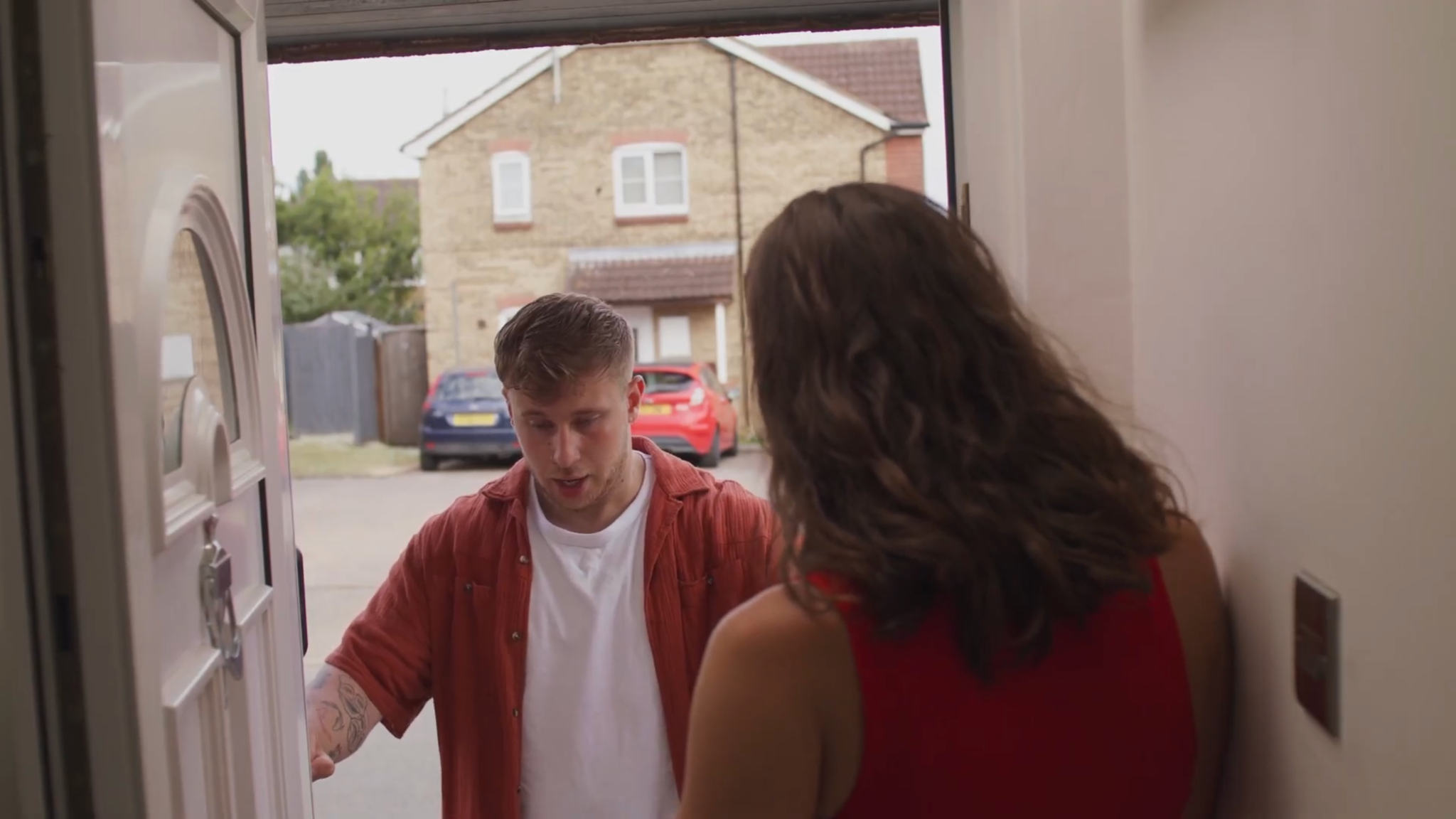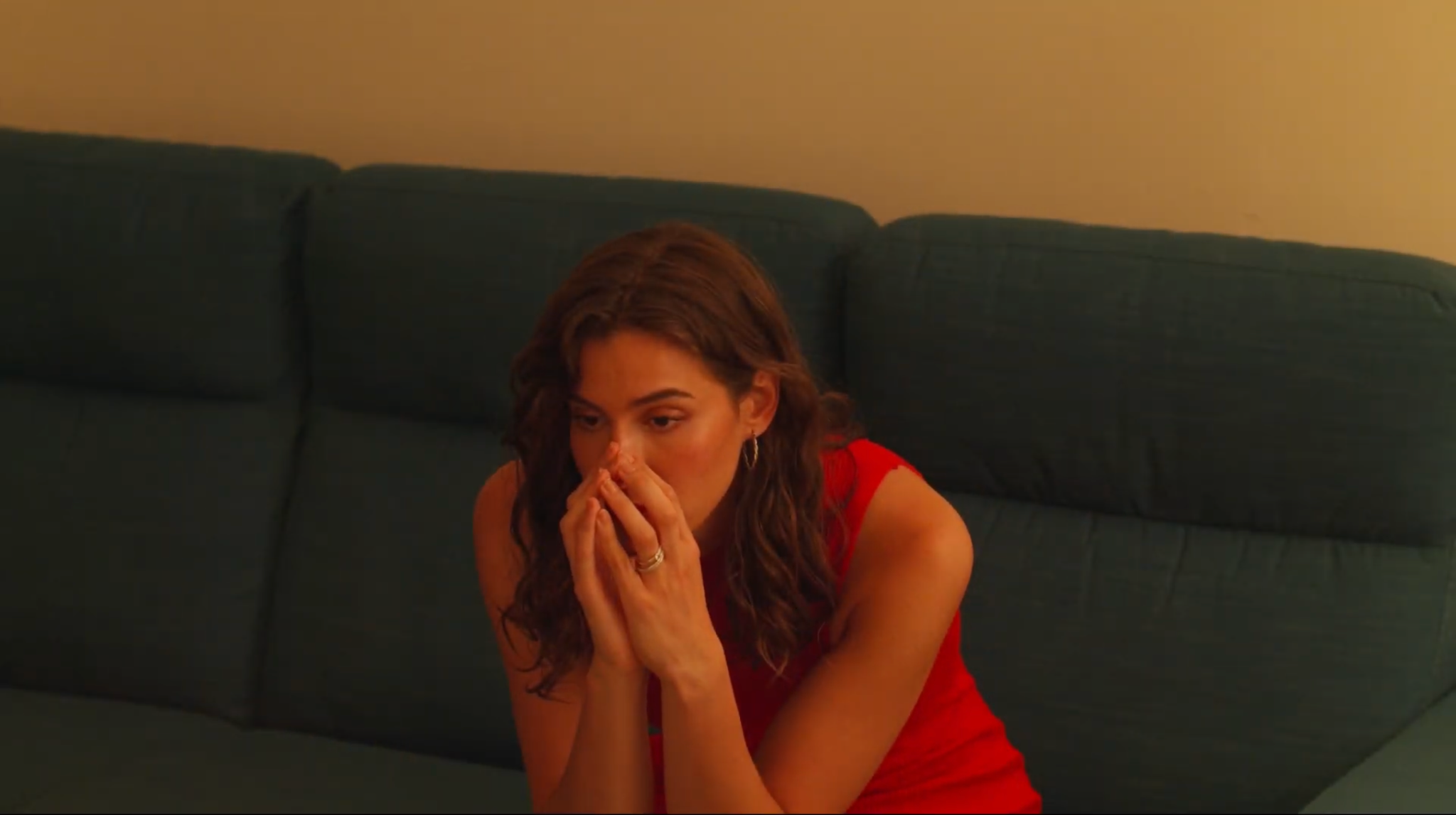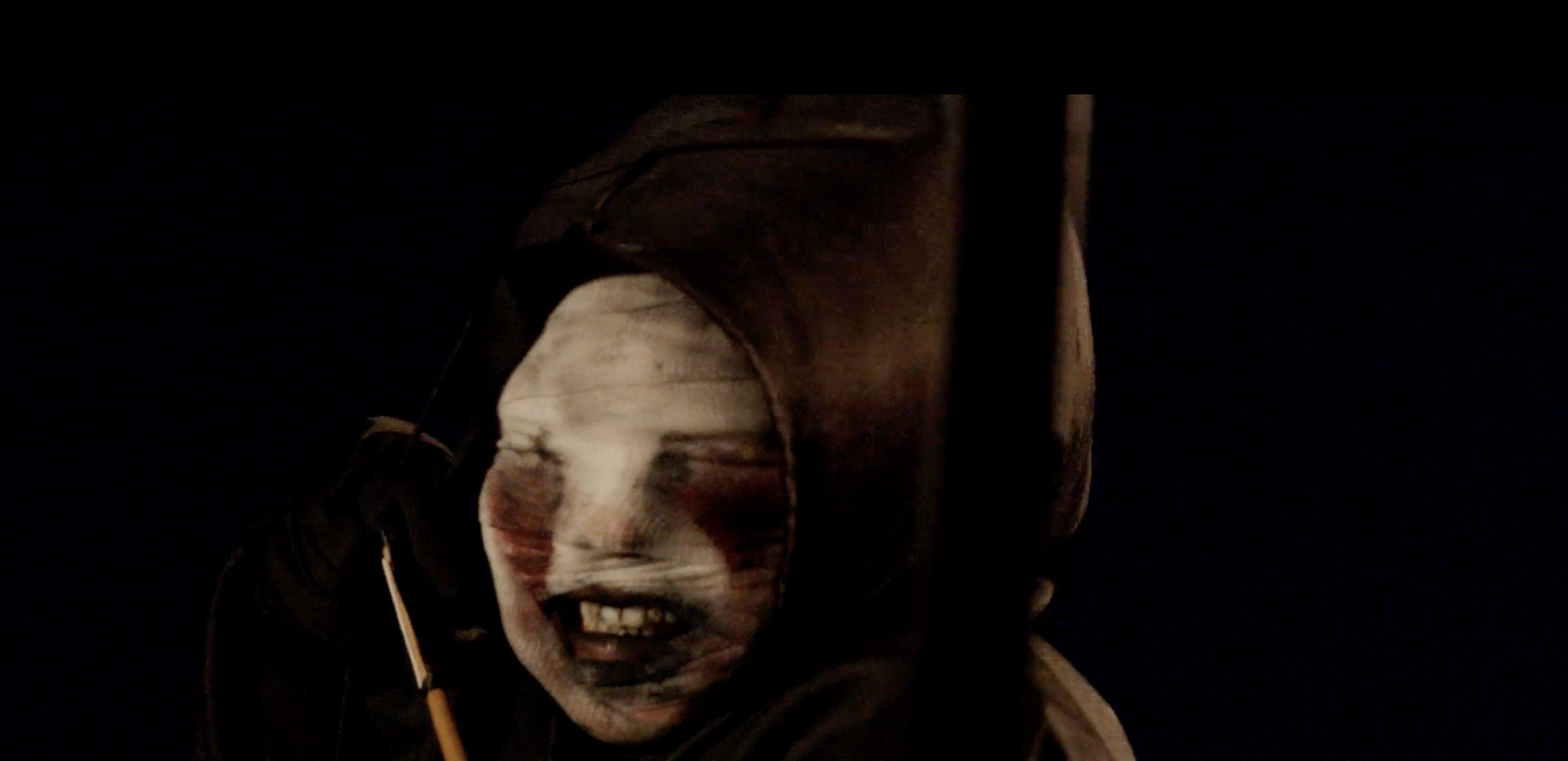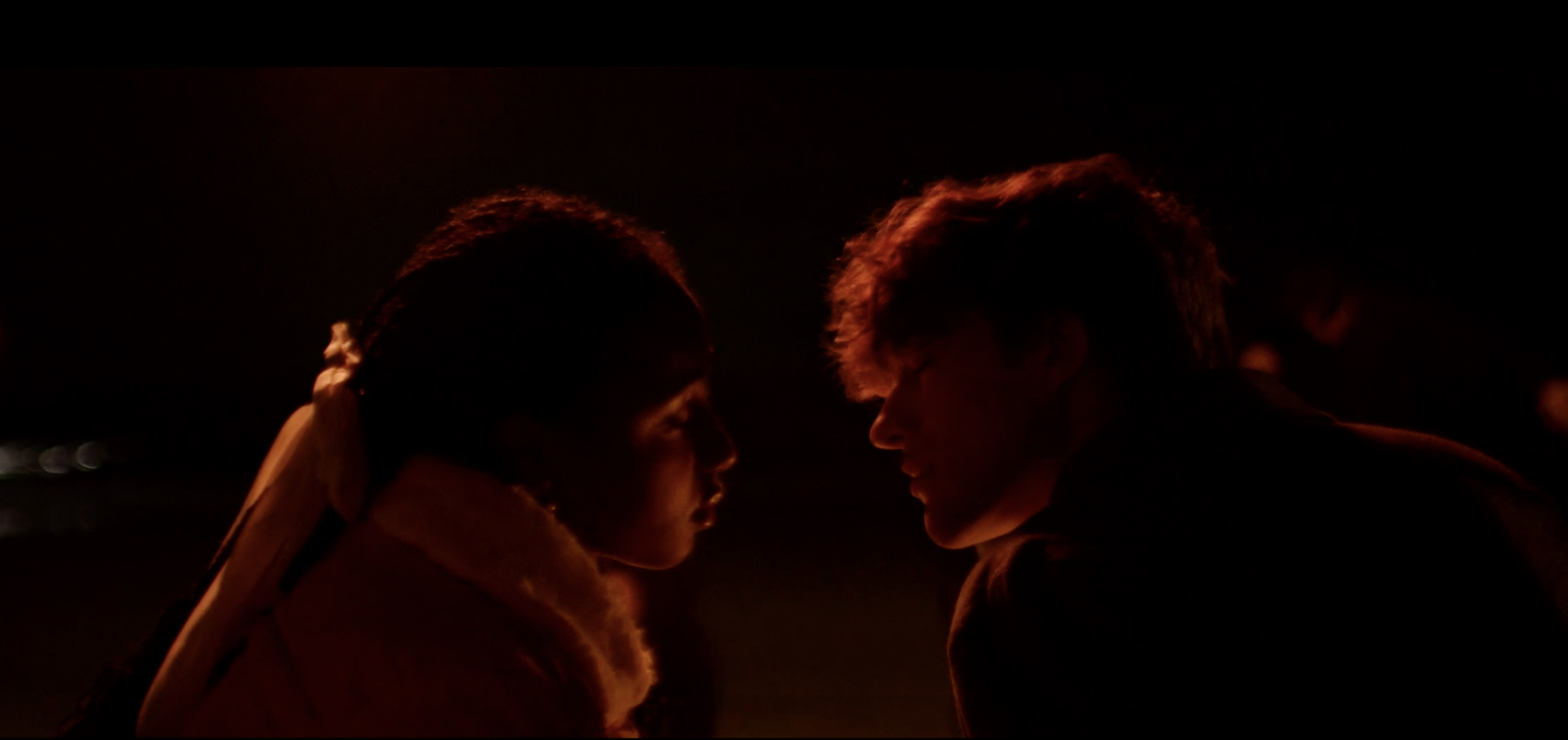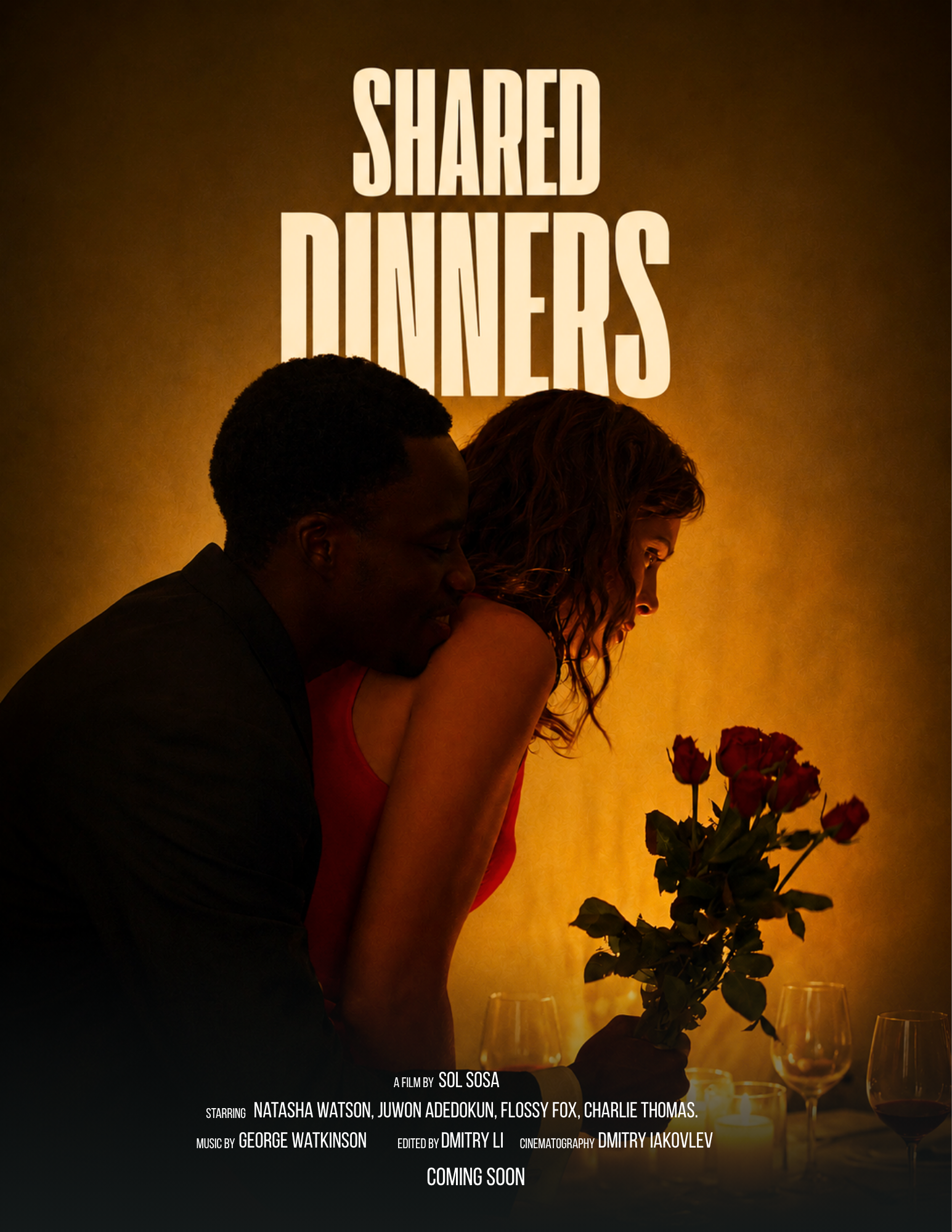
Shared Dinners
Directed by Marisol Luner
Composer
Intimate chamber textures, piano, close strings and room tone.
UK, Film & Television
Film & TV Composer
Original music for film, television and visual storytelling.
Directed by Marisol Luner
Composer
Intimate chamber textures, piano, close strings and room tone.
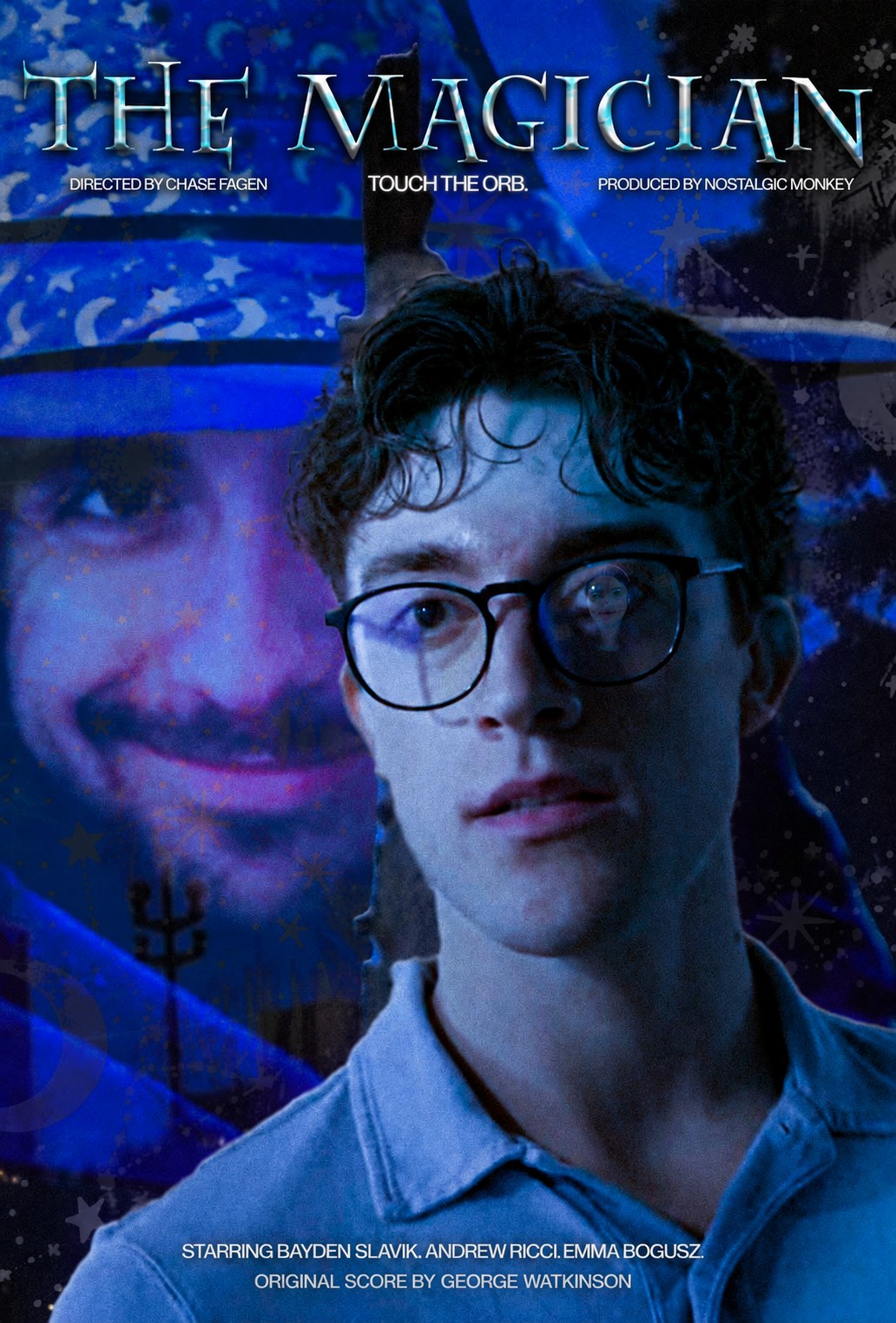
Directed by Chase Fagen
Composer
Hybrid orchestral and electronic score, in progress.
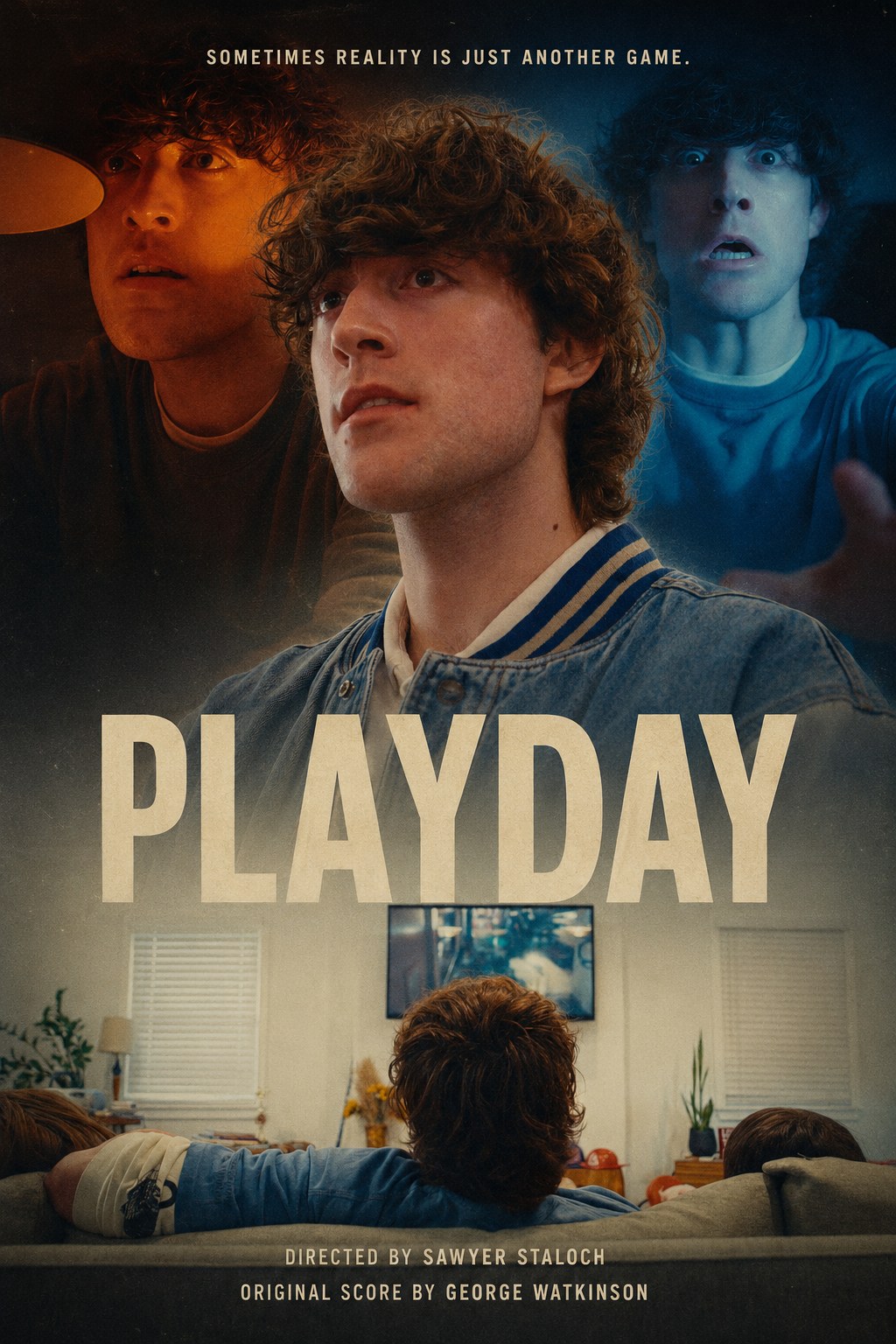
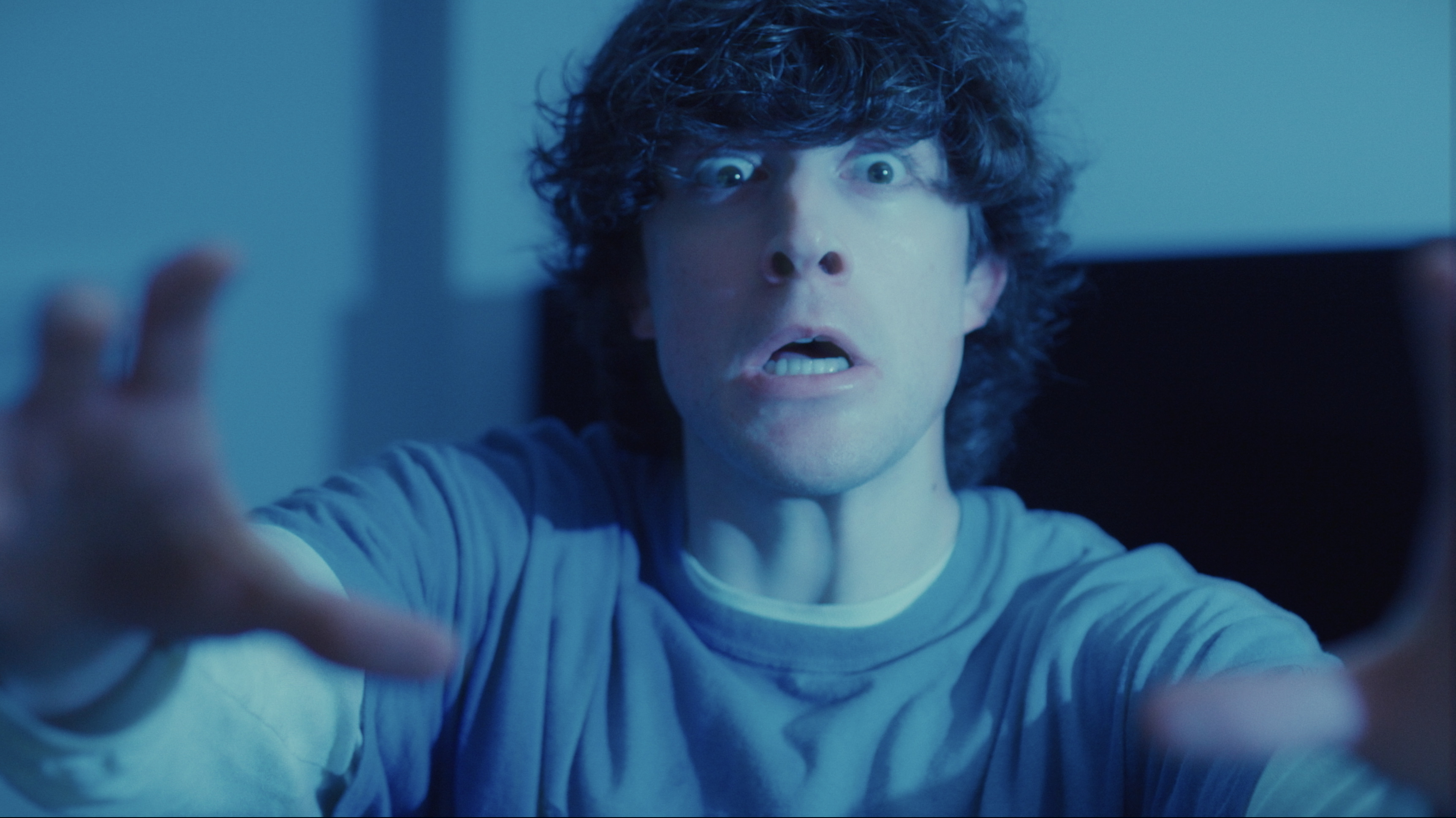
Directed by Sawyer Staloch
Composer
Light motific writing built around a single recurring theme.
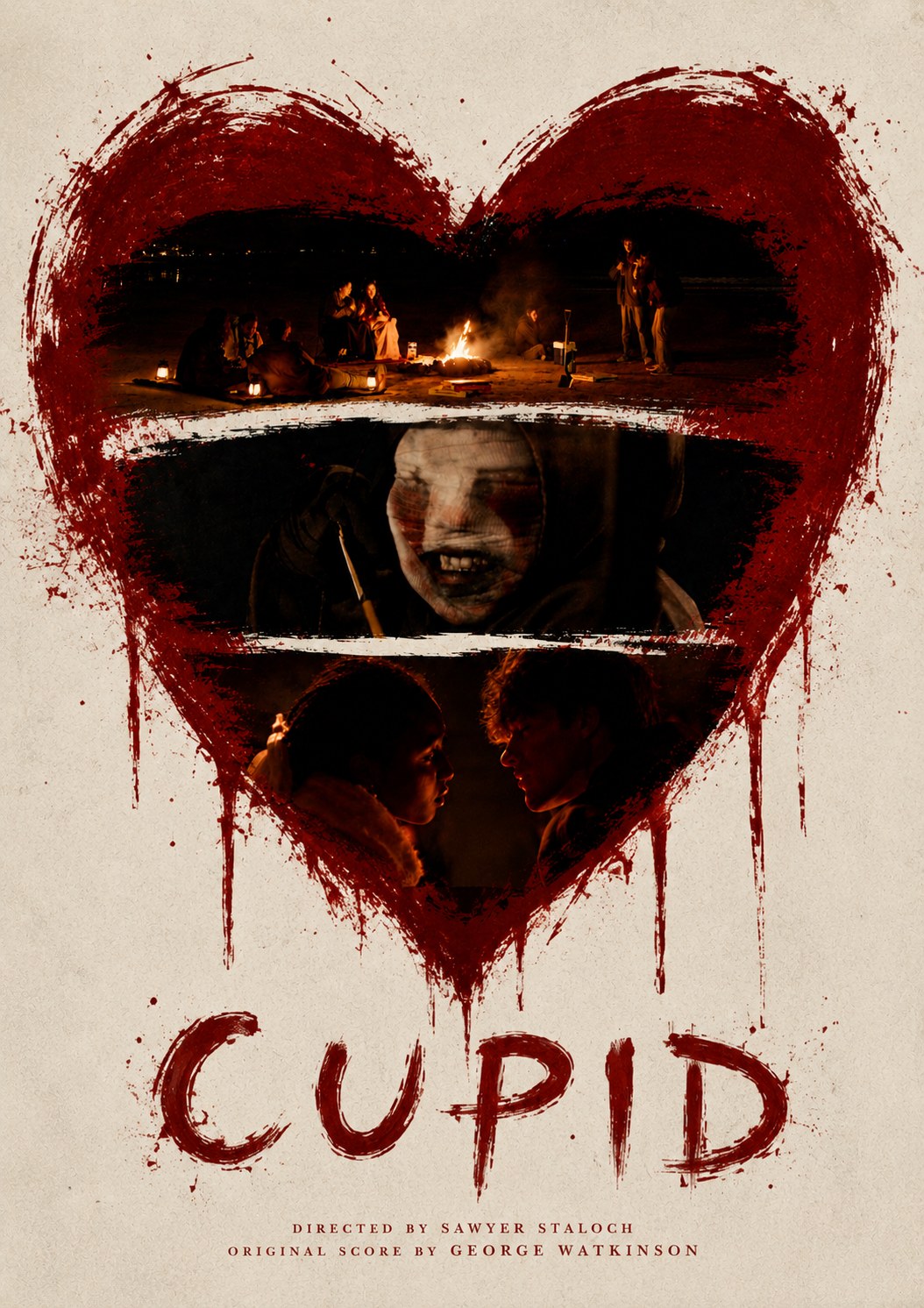
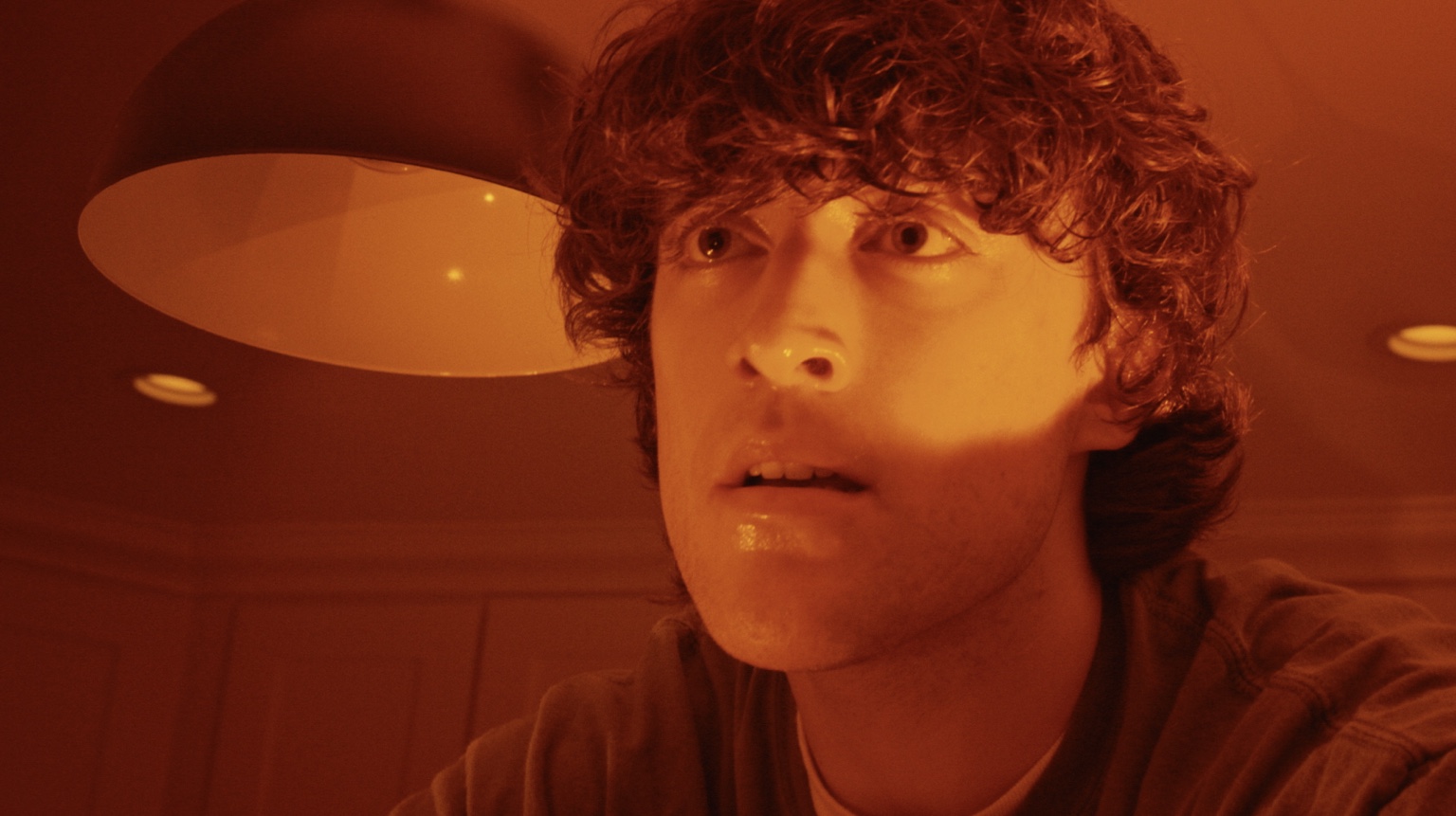
Directed by Sawyer Staloch
Composer
Textural, processed guitar and synthesis under sparse dialogue.
Coming Soon
Coming Soon
Featured
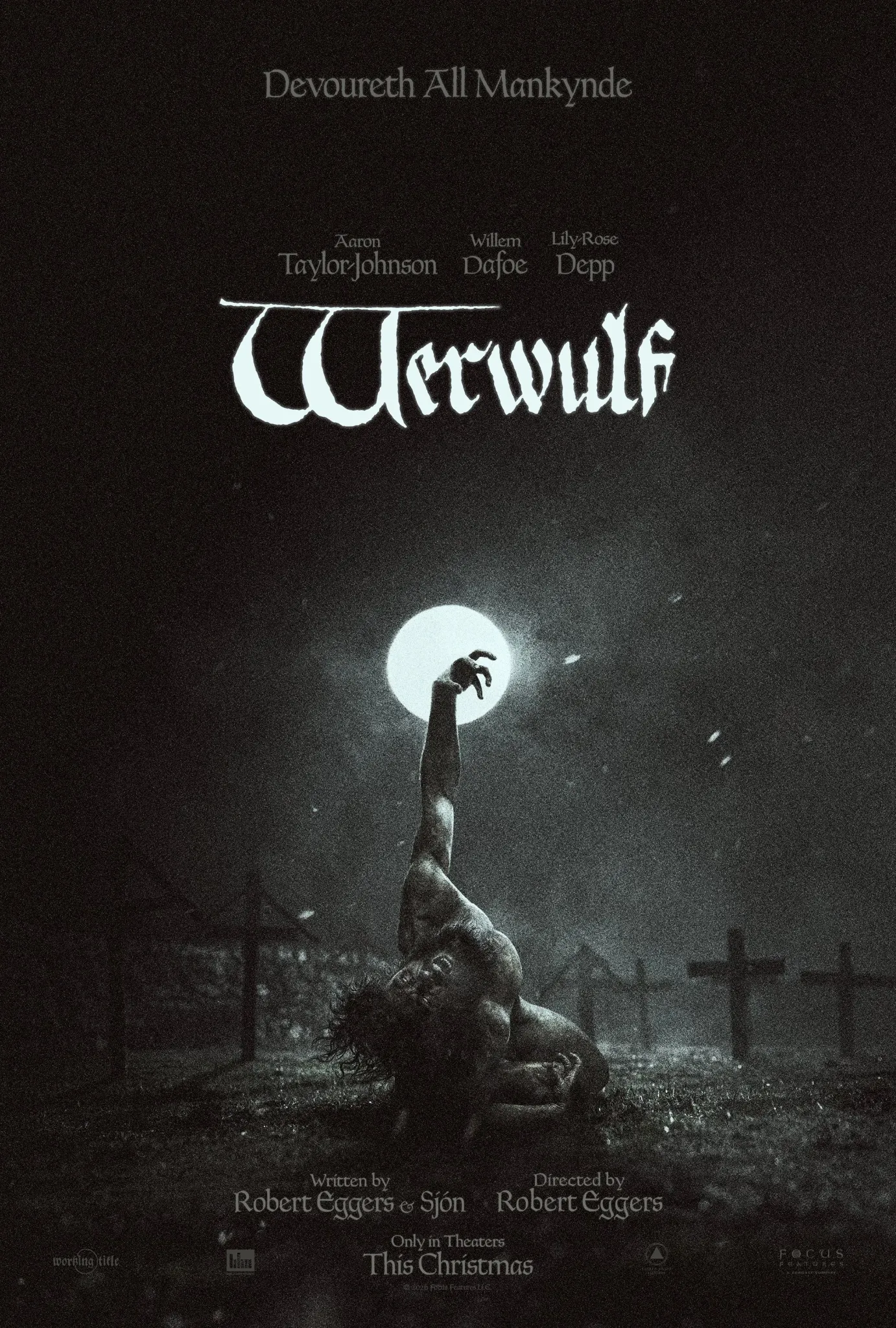
Assisted and shadowed composer Robin Carolan during recording sessions for Robert Eggers’ Werwulf at AIR Studios, gaining first hand experience of large scale film score recording and observing the composer-director collaboration and wider music team workflow.
The sessions offered a close view of how a major film score develops in the room, from musical direction and performance decisions through to the practical recording process and communication across the wider music team.
Ongoing Industry Q&A
Regularly participate in ongoing Zoom Q&A sessions with composer Lorne Balfe, gaining first hand insight into film and television composition, industry collaboration, career development and the realities of working as a professional screen composer.
Professional Experience
Observed composer Guy Farley recording and conducting orchestral sessions at Abbey Road Studios, gaining insight into professional scoring sessions, orchestral recording, and large scale music production workflows.

Professional Experience
Advanced Diploma in Audio Post Production for Film, TV, Distinction

Remember was composed for the short film Playday, accompanying Bubba’s realisation of the significance of his childhood, the fond memories and imagination that shaped him. The piece evokes a sense of warmth and nostalgia, reflecting on the innocence of the past and the bittersweet feeling of recognising just how precious those moments were.
The Foreboding is a dark, cinematic composition built around a growing sense of tension and unease. The piece develops gradually, using atmosphere, texture and orchestral colour to create the feeling that something is approaching, without immediately revealing what that might be.
Rather than relying on constant intensity, the music allows suspense to build through restraint, giving the darker moments greater weight when they arrive. The aim was to create a piece that could sit naturally within film or television, supporting scenes of uncertainty, anticipation and impending danger.
The Forest explores the feeling of comfort, belonging and wonder found within the natural world. The piece unfolds in three sections: the first introduces the forest as a warm and inviting place, filled with a sense of familiarity and discovery. The second moves into its more uncertain side, reflecting the fear and unpredictability brought by changing weather, unfamiliar creatures and the unknown. The final section brings these ideas together, celebrating the beauty of the forest precisely because it is always changing, finding comfort not in stillness, but in its constant cycle of change and renewal.
After Battle explores the grief, anger and bitter disappointment left in the aftermath of conflict. Rather than the triumph of victory, the piece reflects on what remains when the fighting is over: loss, exhaustion and the heavy realisation of what the battle has cost.
Mormont is a composition inspired by epic films and TV shows such as Gladiator, Django Unchained, Game of Thrones, and other action packed stories set in historical or fantasy worlds. My goal with this piece was to capture the grandeur and intensity of these narratives, blending a sense of high stakes adventure with moments of elegance and refinement.
The composition weaves together bold, cinematic themes designed to evoke the spirit of ancient battles and heroic journeys.
The Seventeenth Year is designed to evoke the emotional intensity of a dramatic romantic relationship, capturing both its soaring moments of hope and positivity as well as its periods of deep sorrow and heartbreak.
My aim was to convey the complex, often unpredictable nature of love, the joy and warmth it can bring, along with the inevitable challenges and moments of uncertainty. The music flows between these contrasting emotions, creating a dynamic soundscape that mirrors the highs and lows of a relationship.
Industrial Revolution is a musical portrait of an Industrial Revolution factory and the divide between its workers and the industrialist who controls it. The solo violin represents the factory owner, commanding and detached, while the restless pizzicato and surrounding orchestral textures depict the workers below, caught in the repetitive machinery of factory life and labouring simply to earn a living.
description coming soon.
description coming soon.
Selected cues and additional work available on request. Get in touch.
George Watkinson is a UK based film and television composer working across orchestral, electronic and textural music. His approach is rooted in emotional storytelling, atmosphere and close collaboration with directors, developing scores that feel embedded in the world of the film rather than sitting on top of it.
He completed the Advanced Diploma in Audio Post Production for Film & TV at Abbey Road Institute with Distinction, giving him a strong technical grounding in professional post production alongside his composition work.
Piano, bass guitar and guitar.
Live experience through big band and independent performances.
Orchestral, electronic and hybrid composition for narrative film and television.
Close work with directors and post teams to find a musical language that serves story, performance and pacing.
Technically confident in Logic Pro and Pro Tools, with an understanding of stems, cue delivery, recording workflows and film post production.
For scoring, collaboration or assistant enquiries:
georgewatkinson06@gmail.comwww.georgewatkinson.com